
 English
 Español
 中文简体
中文简体El respirador de aire de presión positiva RHZK9CT/A es un aparato respiratorio autónomo de circuito abierto, diseñado para satisfacer las necesidades básicas de protección en escenarios de extinción d...
Ver detalles
2026-08-25
Contenido
Equipo de protección respiratoria es cualquier dispositivo que se coloca sobre la nariz y la boca, o que cuenta con una fuente de aire externa, que impide que los trabajadores inhalen polvo, humos, gases, vapores o partículas biológicas presentes en el aire en niveles considerados peligrosos. En resumen, su trabajo es filtrar o suministrar aire limpio para que los pulmones nunca estén expuestos a contaminantes por encima de un límite seguro. Según la Administración de Salud y Seguridad Ocupacional de EE. UU. (OSHA), Más de 5 millones de trabajadores en los Estados Unidos deben usar protección respiratoria en más de 1,3 millones de lugares de trabajo. , que abarca industrias que van desde la construcción hasta la atención médica y la fabricación de productos químicos. Elegir el tipo correcto, instalarlo adecuadamente y darle un mantenimiento constante es lo que realmente determina si el equipo protege al trabajador o simplemente da una falsa sensación de seguridad.
El equipo de protección respiratoria generalmente se divide en dos categorías amplias: dispositivos purificadores de aire que filtran los contaminantes del aire circundante y dispositivos de suministro de aire que suministran aire limpio desde una fuente independiente. La siguiente tabla resume los tipos más comunes utilizados en entornos industriales y médicos.
| Tipo | Cómo funciona | Caso de uso típico |
| Mascarilla filtrante (N95, FFP2, FFP3) | Mascarilla desechable que filtra partículas al pasar el aire a través del tejido. | Polvo, polen, escombros de construcción, control general de infecciones. |
| Respiradores de media cara y cara completa | Mascarilla elastomérica reutilizable equipada con cartuchos o filtros reemplazables | Vapores químicos, pintura en aerosol, manipulación de pesticidas. |
| Respirador purificador de aire motorizado (PAPR) | Un soplador a batería empuja el aire filtrado hacia una capucha o máscara | Turnos largos, soldadura, eliminación de amianto |
| Aparato de respiración autónomo (SCBA) | El tanque independiente suministra aire respirable, no conectado al aire ambiente. | Extinción de incendios, rescate en espacios confinados, entornos con deficiencia de oxígeno |
| Respirador con suministro de aire (SAR) | El aire se introduce a través de una manguera desde un compresor o tanque remoto. | Limpieza de tanques, arenado, minería. |
El equipo de protección respiratoria no es una categoría en la que un fabricante pueda simplemente afirmar que un producto funciona. Los organismos de prueba independientes establecen requisitos mínimos de filtración y ajuste antes de que un producto pueda venderse legalmente como equipo de protección.
El Instituto Nacional de Seguridad y Salud Ocupacional (NIOSH) certifica respiradores según 42 CFR Parte 84. Un respirador N95, por ejemplo, debe filtrar al menos el 95 por ciento de las partículas en el aire a 0,3 micrones durante las pruebas estandarizadas, mientras que las clasificaciones N100 y P100 requieren una eficiencia de filtración del 99,97 por ciento.
El Comité Europeo de Normalización (CEN) utiliza EN 149:2001 A1:2009 para clasificar las máscaras filtrantes en tres clases: FFP1 filtra al menos el 80 por ciento, FFP2 al menos el 94 por ciento y FFP3 al menos el 99 por ciento, cada uno medido contra aerosoles de prueba de cloruro de sodio y aceite de parafina.
Más allá de NIOSH y EN 149, varios otros organismos regionales establecen sus propias clasificaciones de respiradores, y los compradores que compran equipos para operaciones multinacionales a menudo necesitan confirmar el cumplimiento con más de un sistema a la vez.
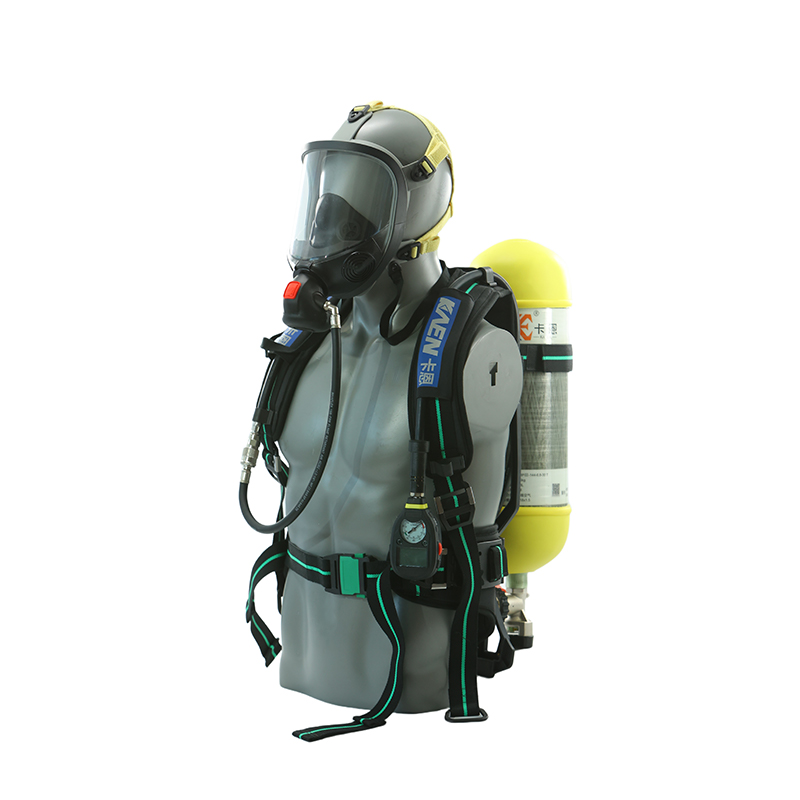
La selección del equipo de protección respiratoria comienza con la identificación del peligro, no del producto. Una evaluación de la exposición en el lugar de trabajo debe medir el tipo de contaminante, su concentración y si el ambiente tiene deficiencia de oxígeno antes de comprar cualquier equipo.
Nuestra gama de Equipo de protección respiratoria se basa en este mismo enfoque de priorizar el peligro, ofreciendo máscaras filtrantes, respiradores de cartucho de media cara y unidades purificadoras de aire eléctricas para que las instalaciones puedan igualar el nivel de protección al riesgo de exposición específico en lugar de depender de una única máscara genérica para cada tarea.
Incluso los equipos de protección respiratoria certificados no protegen al usuario cuando se utilizan incorrectamente. El Instituto Nacional de Seguridad y Salud Ocupacional ha señalado repetidamente que el vello facial a lo largo de la superficie de sellado es una de las causas más frecuentes de falla en el ajuste, ya que una barba corta de un día puede romper el sello de una pieza facial filtrante.
| error | Consecuencia |
| Reutilizar mascarilla desechable N95 o FFP2 durante muchos turnos | El medio filtrante pierde eficiencia y las correas pierden tensión, debilitando el sello |
| Saltarse la prueba de ajuste anual | Una mascarilla que le quedó a un trabajador hace un año puede tener fugas significativas después de un cambio de peso o un trabajo dental |
| Usar el cartucho incorrecto para el gas presente | Los cartuchos de vapor orgánico no detendrán los gases ácidos o el amoníaco, dejando al trabajador expuesto. |
| Guardar máscaras sueltas en una caja de herramientas polvorienta | El almacenamiento contaminado puede reintroducir partículas en la superficie de sellado antes del siguiente uso. |
| Usar una máscara con vello facial a lo largo del sello. | Rompe el sello hermético incluso cuando el medio filtrante no está dañado. |
Los equipos de protección respiratoria reutilizables necesitan una rutina de inspección documentada para seguir siendo eficaces durante su vida útil. Antes de cada uso, los trabajadores deben revisar la máscara para detectar grietas, inspeccionar las válvulas de exhalación en busca de residuos y confirmar que las correas conserven su elasticidad total.
Un programa escrito de protección respiratoria vincula la selección de equipos, la capacitación y la evaluación médica en un solo sistema en lugar de tratar cada elemento por separado. OSHA exige que los empleadores establezcan dicho programa siempre que se requiera que los trabajadores usen respiradores como condición de empleo.
Los trabajadores deben completar un cuestionario o examen médico antes de someterse a una prueba de ajuste, ya que las condiciones respiratorias o cardiovasculares subyacentes pueden afectar la capacidad de una persona para usar un respirador de manera segura, particularmente bajo esfuerzo físico.
La capacitación debe cubrir cómo ponerse y quitarse correctamente, verificaciones de sellos, limitaciones del equipo y señales de que es necesario reemplazar un filtro o cartucho. Mantener registros de las pruebas de ajuste, fechas de capacitación e inspecciones de equipos ayuda a identificar cuándo debe revisarse un trabajador o una pieza de equipo.
Ciertos sectores dependen del equipo de protección respiratoria como parte central de las operaciones diarias en lugar de una medida de seguridad ocasional. La Organización Mundial de la Salud estima que La silicosis por sí sola afecta a cientos de miles de trabajadores en todo el mundo. en minería, canteras y construcción, en gran parte debido al control inadecuado del polvo de sílice en el aire, lo que hace que el equipo de filtración adecuado sea esencial y no opcional en estos entornos.
En cada uno de estos sectores, el equipo solo funciona según lo probado cuando se selecciona teniendo en cuenta el riesgo real, se adapta al trabajador individual y se reemplaza según lo programado. Tratando Equipo de protección respiratoria Como elemento de mantenimiento de rutina, en lugar de una compra única, es lo que mantiene el factor de protección constante durante años de uso.
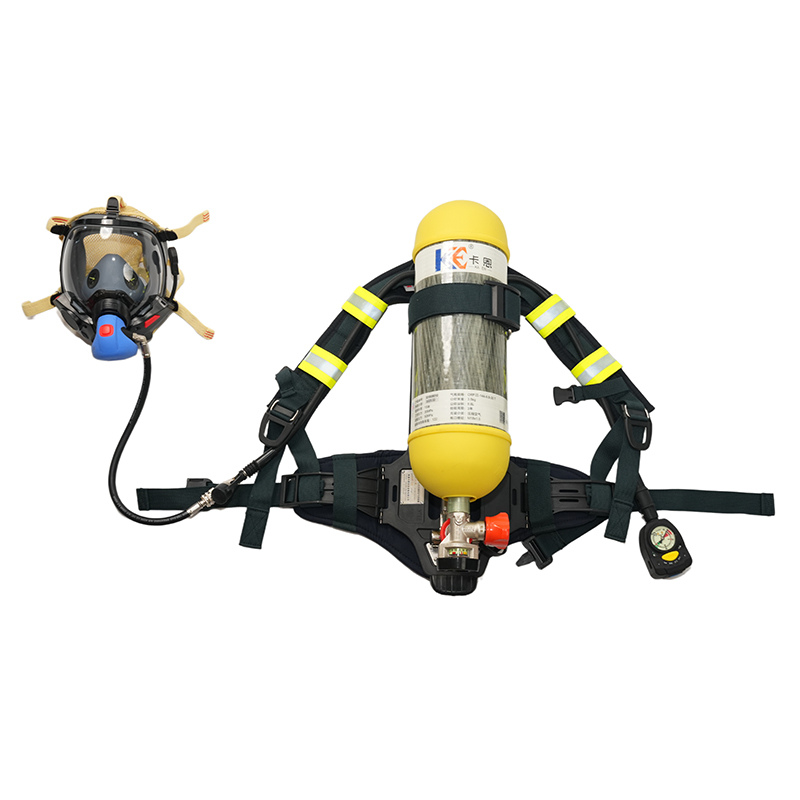
El respirador de aire de presión positiva RHZK9CT/A es un aparato respiratorio autónomo de circuito abierto, diseñado para satisfacer las necesidades básicas de protección en escenarios de extinción d...
Ver detalles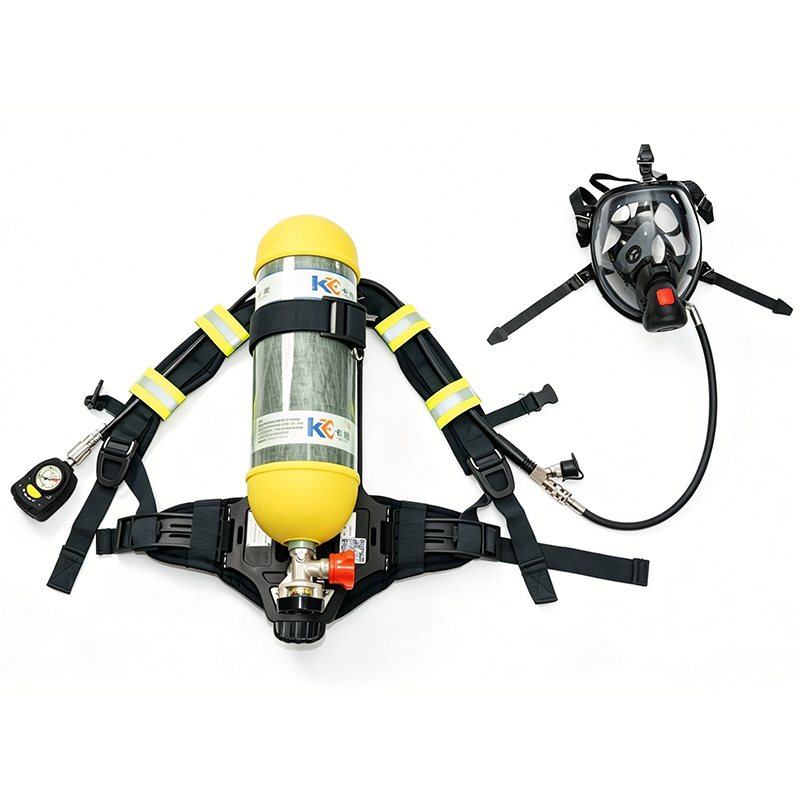
Estándares y certificaciones de productosEl producto cumple con la norma XF124-2013 de aparatos respiratorios autónomos contra incendios de presión positiva.Ha obtenido el Certificado de Certificación...
Ver detalles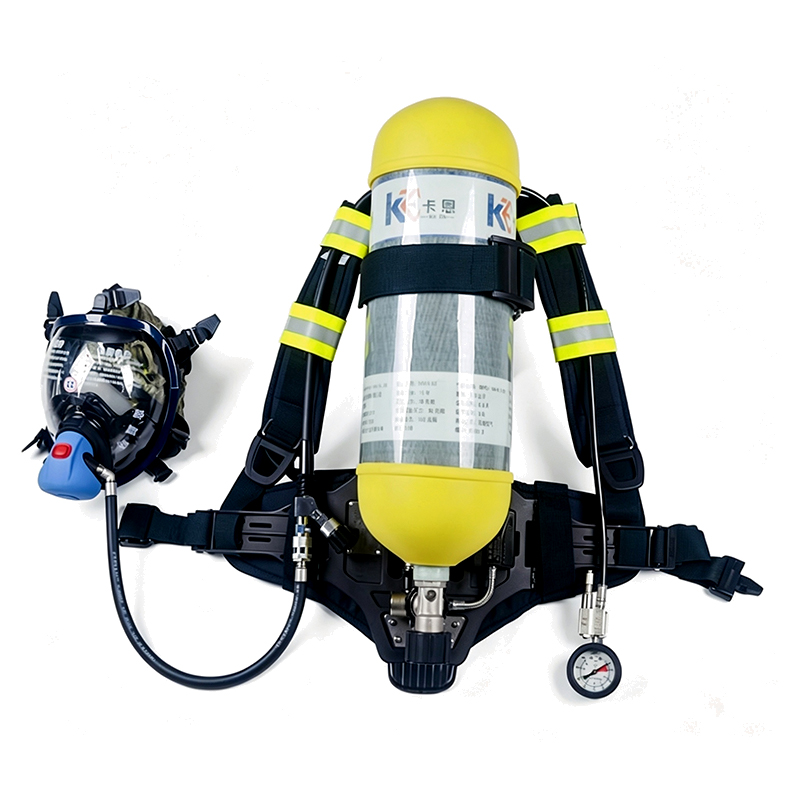
El aparato de respiración de aire de presión positiva RHZK6.8/B es un equipo diseñado específicamente para la protección respiratoria en operaciones de alto riesgo. Cuenta con una estructura cilíndr...
Ver detalles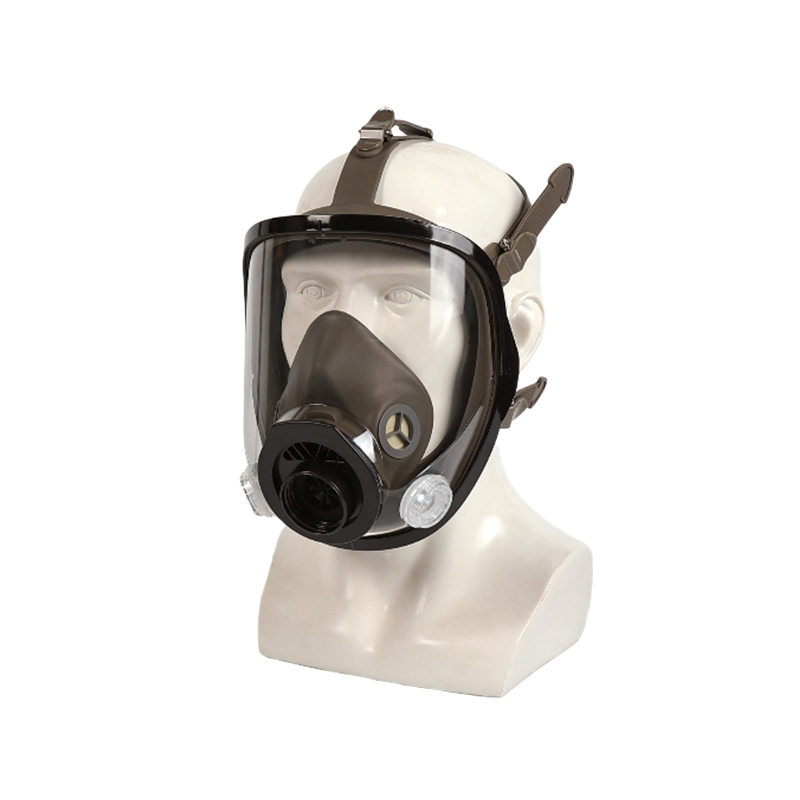
La máscara de gas KEM-6100 está hecha de material de caucho, centrándose en la funcionalidad de protección contra gases, y se destaca entre productos de protección similares por sus características di...
Ver detalles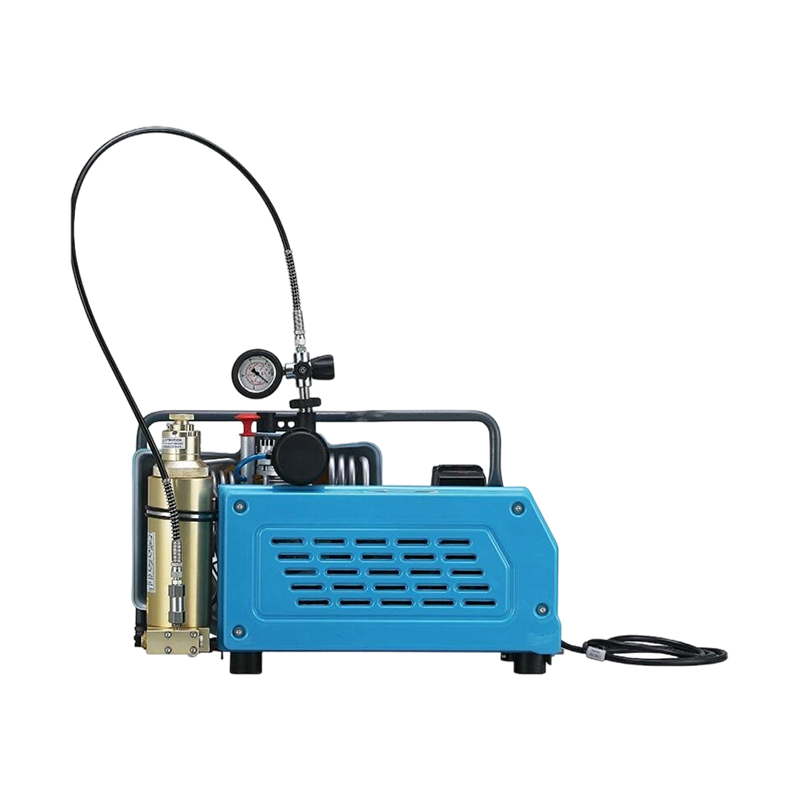
La bomba de llenado de aire (100L 220V) es un dispositivo de fuente de aire especializado que integra funciones de llenado a alta presión y protección de evacuación de emergencia. Con una capacidad de...
Ver detalles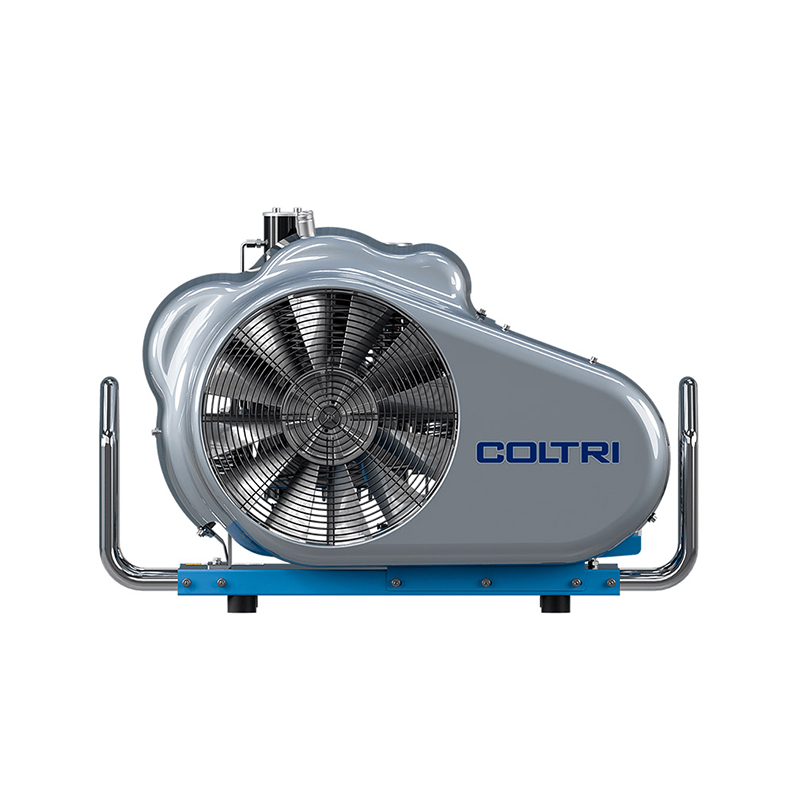
La bomba de llenado de aire MCH-16/ET SMART (doble cilindro manual) es un tipo de equipo de llenado de aire. En comparación con productos similares, está equipado con un compresor de aire de compresió...
Ver detalles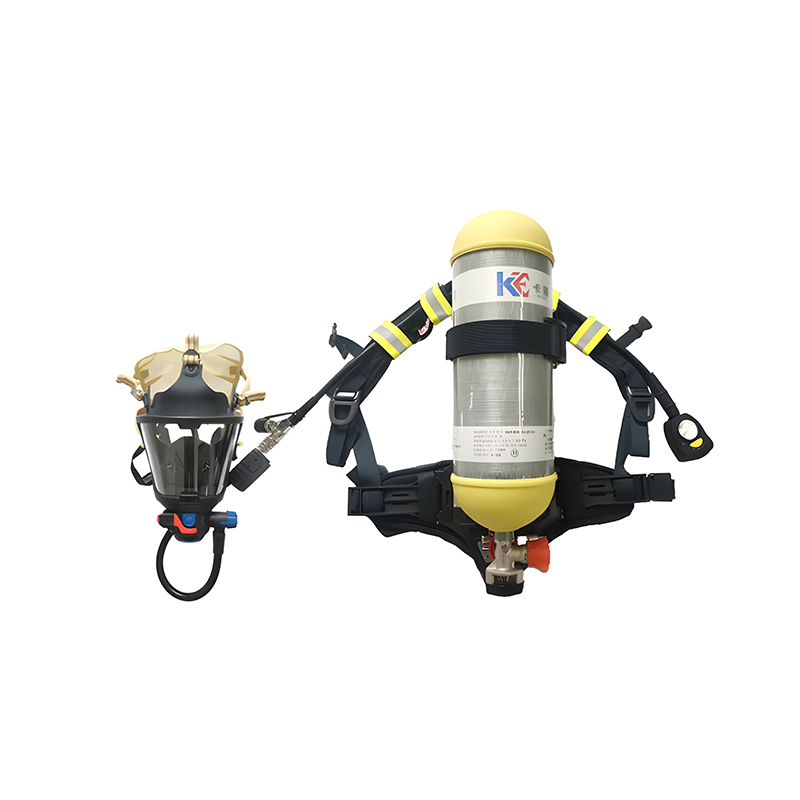
Ventajas: Máscara: La máscara presenta un diseño cilíndrico y está hecha de silicona líquida, lo que proporciona un sellado confiable y un uso cómodo. El protector facial ofrece un amplio campo de ...
Ver detalles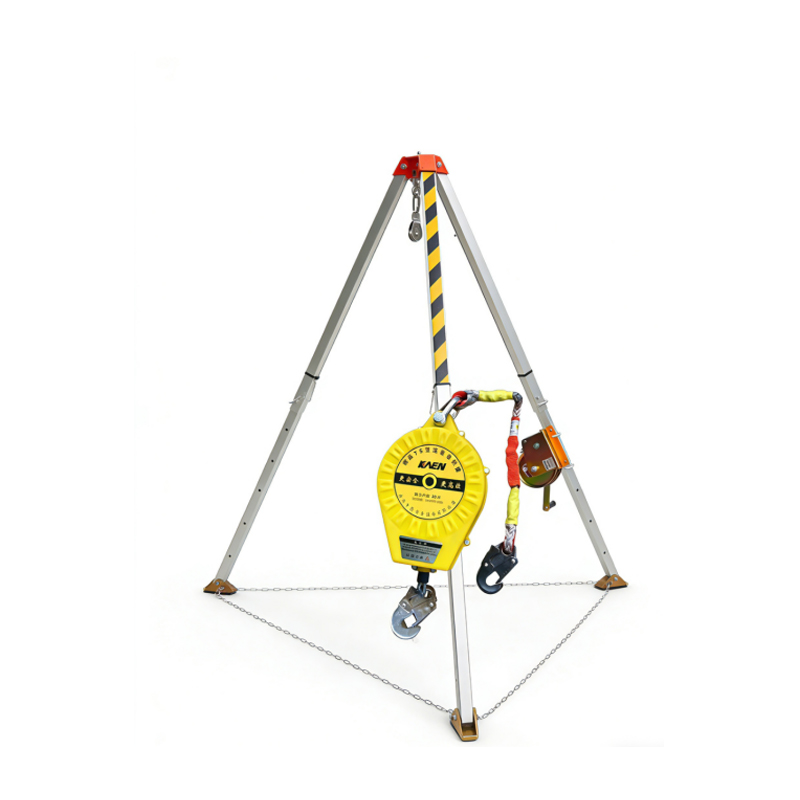
Trípode de rescate – Características y especificaciones El trípode de rescate está construido con una aleación liviana y de alta resistencia con patas telescópicas y cuenta con mecanismos de autobloqu...
Ver detalles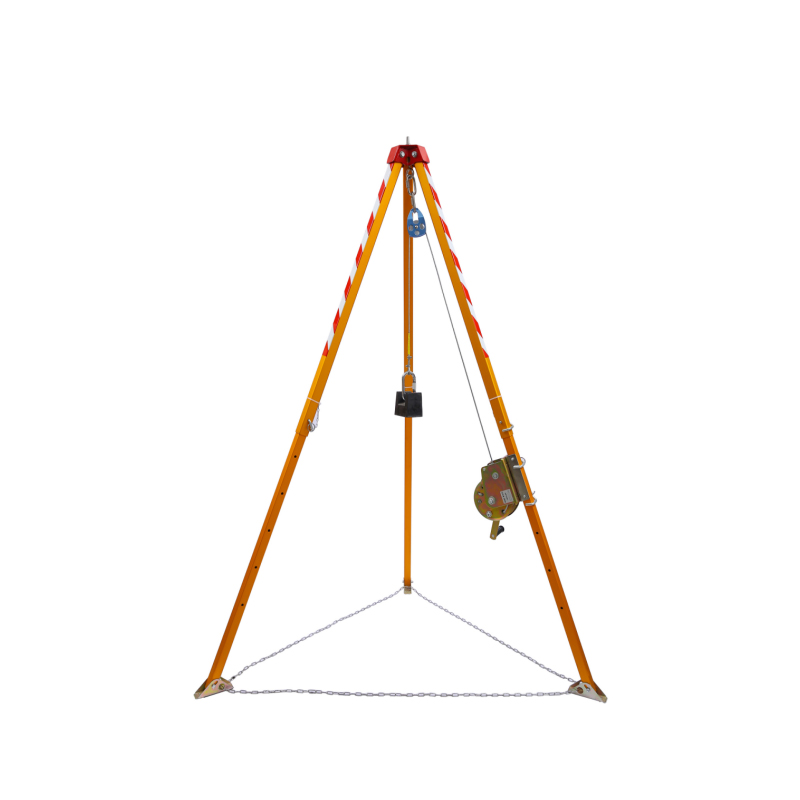
Trípode de rescate – Características y especificacionesEl trípode de rescate está construido con una aleación liviana y de alta resistencia con patas telescópicas y cuenta con mecanismos de autobloque...
Ver detalles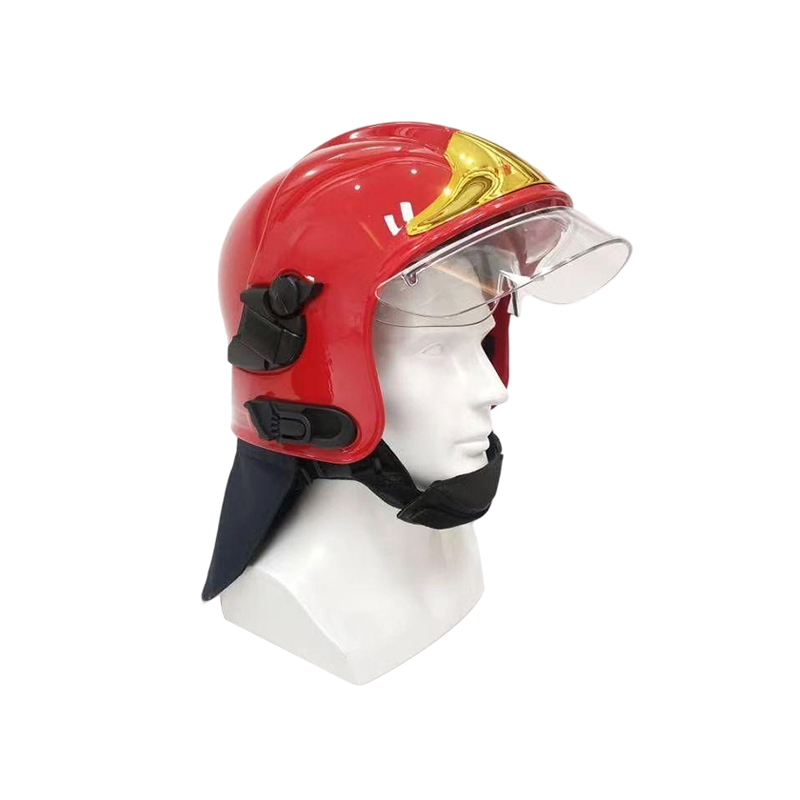
Los cascos contra incendios europeos suelen estar fabricados con termoplásticos avanzados o materiales compuestos. Estos materiales proporcionan una excelente resistencia al calor manteniendo un peso ...
Ver detalles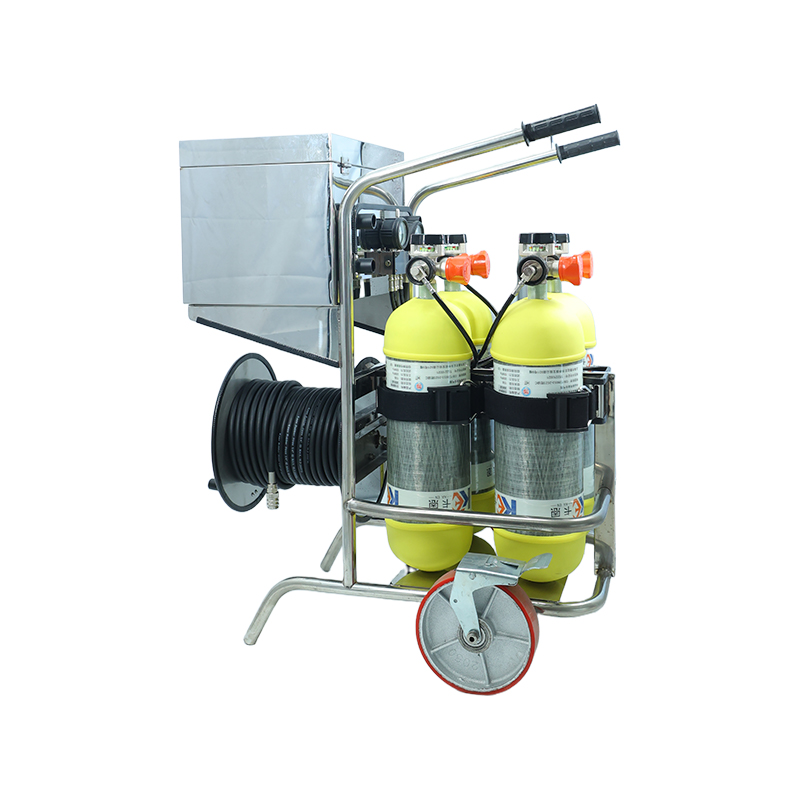
Introducción: Los aparatos de respiración en carro se utilizan especialmente en túneles, tuberías u otros espacios limitados y otros entornos contaminados para trabajos a largo plazo, difíciles y com...
Ver detalles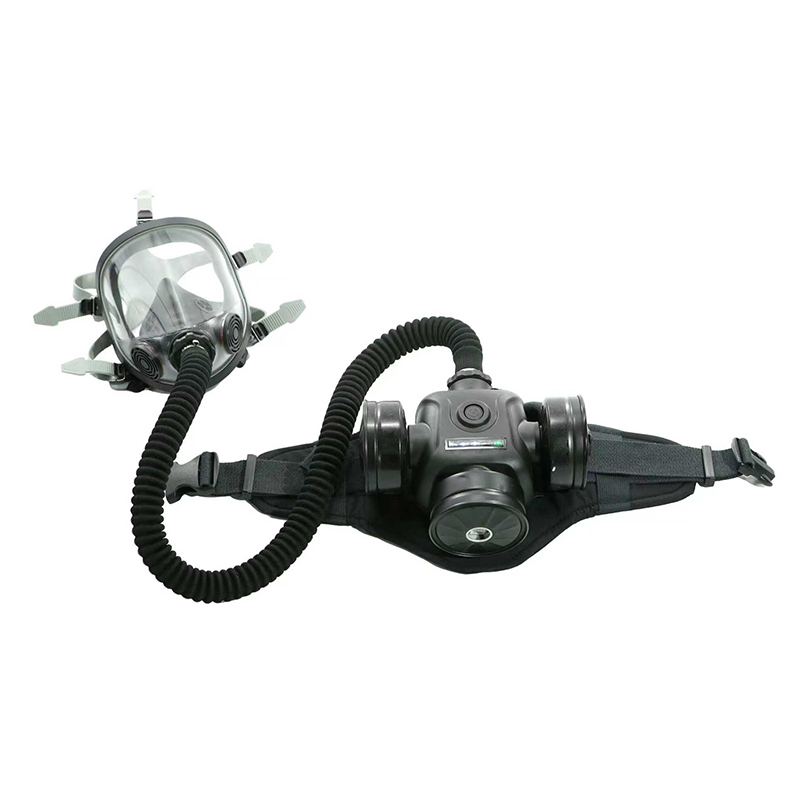
Descripción general Principales usos y ámbito de aplicación Este producto pertenece al equipo de protección respiratoria de operación y escape, utilizado principalmente para prevenir la ...
Ver detalles
Si tiene alguna pregunta o comentario, le responderemos con atención y dedicación.


WhatsApp: 8618262215597
TELÉFONO: +86-15370678666
CORREO ELECTRÓNICO: zhouli@ntkaen.com
TEL: +86-513-88762099
Nantong Kaen Safety Equipment Co., Ltd. Todos los derechos reservados. TODOS RESERVADOS.
