English
 Español
 中文简体
中文简体El aparato respiratorio autónomo de presión positiva (SCBA) de fibra de carbono de doble cilindro RHZK-6.8L-2 es un dispositivo de protección respiratoria de alta gama diseñado para rescate de emergen...
Ver detalles
2026-08-25
Contenido
Accesorios para aparatos de respiración de aire son los componentes de soporte que mantienen un aparato respiratorio autónomo (SCBA) o un sistema de suministro de aire funcionando de manera segura y confiable, incluidos cilindros de repuesto, máscaras faciales, conjuntos de arneses, manómetros, mangueras, módulos de comunicación, alarmas PASS y kits de limpieza. En resumen, estos accesorios extienden la vida útil del aparato principal, permiten reparaciones rápidas en el campo y garantizan que el usuario siempre tenga un suministro de aire correctamente sellado y presurizado. La Asociación Nacional de Protección contra Incendios (NFPA) de EE. UU. señala en NFPA 1852 que las unidades SCBA requieren inspección y reemplazo regular de accesorios para seguir cumpliendo, ya que una sola junta desgastada o una manguera agrietada puede comprometer todo el sistema respiratorio. Elegir los accesorios adecuados, obtenerlos de un proveedor constante y mantenerlos según un cronograma estricto es lo que realmente determina si un aparato de respiración de aire funciona cuando más importa.
Los accesorios de los aparatos de respiración aérea cubren una amplia gama de piezas, desde componentes que almacenan y suministran aire hasta aquellos que protegen la cara y el cuerpo del usuario. La siguiente tabla desglosa las categorías principales y su función dentro del sistema general.
| Accesorio | Función | Gatillo de reemplazo típico |
| Cilindros de aire de repuesto | Almacene aire respirable comprimido para operaciones de respaldo o prolongadas. | Caducidad de la prueba hidrostática, generalmente cada 5 años. |
| Montaje de mascarilla facial completa | Sella la cara y suministra aire directamente a las vías respiratorias. | Grietas visibles, junta de goma endurecida, lente dañada |
| Arnés y placa trasera | Lleva el peso del cilindro y asegura el aparato al cuerpo. | Correas deshilachadas, hebillas rotas, placa posterior distorsionada |
| Manómetro y regulador de presión. | Supervisa el suministro de aire restante y controla el caudal. | Lecturas inexactas durante la verificación de calibración |
| Mangueras y conectores | Transferir aire entre cilindro, regulador y máscara. | Fugas detectadas durante la prueba de caída de presión |
| Módulos de comunicación | Permitir la transmisión de voz a través de la máscara sellada. | Fallo de señal o daño físico a la unidad. |
| PASA unidades de alarma | Suena una alerta si el usuario deja de moverse durante un período determinado | Prueba de activación fallida o batería más allá de su vida útil |
| Kits de limpieza y desinfección | Elimine los contaminantes de las máscaras y mangueras entre usos. | Solución agotada o componentes del cepillo desgastados. |
Un SCBA es tan confiable como su accesorio más débil. La Administración de Salud y Seguridad Ocupacional (OSHA) exige, según 29 CFR 1910.134, que todos los componentes de protección respiratoria, incluidos los accesorios, se mantengan de acuerdo con las especificaciones del fabricante y se inspeccionen antes de cada uso.
Una mascarilla con un sello de goma degradado puede permitir que el aire contaminado evite por completo la filtración. Los datos de las pruebas de ajuste a los que hace referencia NIOSH muestran que incluso pequeños espacios alrededor de la superficie de sellado pueden reducir el factor de protección asignado de un respirador de cara completa por un margen significativo, razón por la cual los sellos de repuesto y los kits de lentes se consideran accesorios de repuesto esenciales en lugar de actualizaciones opcionales.
Los cilindros de repuesto deben mantener la presión con precisión, ya que los bomberos y los equipos de rescate industrial dependen de las lecturas de los manómetros para planificar el tiempo de trabajo restante. La norma NFPA 1852 especifica intervalos de pruebas hidrostáticas periódicas para los cilindros SCBA para confirmar que aún pueden mantener la presión nominal de manera segura.
Los reguladores deben suministrar un flujo constante de aire incluso cuando la presión del cilindro cae durante el uso. Una manguera con desgaste interno puede restringir el flujo de aire en el momento exacto en que aumenta la demanda, como durante el esfuerzo físico en un ataque de incendio, por lo que las pruebas de flujo de rutina en mangueras y reguladores detectan este tipo de degradación gradual antes de que se convierta en una falla en el campo.
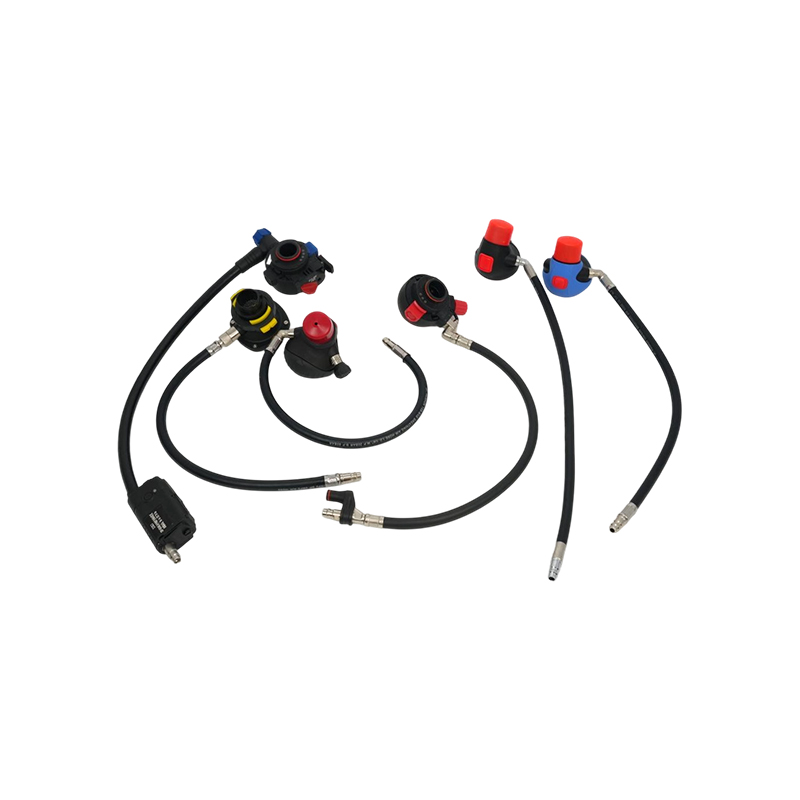
La selección de accesorios comienza con combinarlos con la marca y el modelo específicos del aparato de respiración de aire que ya está en uso, ya que las roscas, los tipos de válvulas o los soportes de montaje que no coinciden pueden generar fugas o fallas en los accesorios.
Nuestra gama de Accesorios para aparatos de respiración de aire se fabrica para combinar con válvulas de cilindro, soportes de máscara y accesorios de arnés estándar, lo que brinda a los departamentos de bomberos, equipos de rescate y equipos de seguridad industrial una fuente confiable de repuestos que se ajustan correctamente la primera vez y resisten el uso repetido en el campo en condiciones exigentes.
Los accesorios fallan prematuramente con mayor frecuencia porque se omiten o se apresuran las rutinas de inspección. La siguiente tabla enumera los errores frecuentes informados en las auditorías de mantenimiento del servicio de bomberos y sus consecuencias.
| error | Consecuencia |
| Saltarse la prueba de caída de presión en las mangueras | Las fugas lentas pasan desapercibidas hasta que se acaba el aire a mitad de la tarea |
| Guardar mascarillas con las correas completamente apretadas | Los componentes elásticos y de goma pierden tensión con el tiempo. |
| Reutilizar un cilindro pasada su fecha de prueba hidrostática | El cilindro puede quedar fuera de servicio o no pasar una verificación de seguridad durante una respuesta de emergencia. |
| Ignorando pequeños rasguños en la lente de la máscara. | La visibilidad reducida puede agravar el riesgo en condiciones de rescate con poca luz |
| Dejar las baterías de la alarma PASS sin marcar | Es posible que la alarma no se active durante una emergencia real de un bombero |
| Limpiar mascarillas con disolventes fuertes | Los sellos de goma se degradan más rápido y los recubrimientos de las lentes pueden nublarse prematuramente |
Un programa de mantenimiento constante mantiene todos los accesorios listos para su uso inmediato. La mayoría de los programas de seguridad industrial y contra incendios siguen un ciclo de inspección por niveles en lugar de depender de una única verificación anual.
Seguir este cronograma en capas significa que los problemas pequeños, como un sello ligeramente desgastado o una hebilla floja, se detectan durante las revisiones de rutina en lugar de durante una respuesta de emergencia real, cuando no hay tiempo para solucionar los problemas del equipo.
Los equipos que responden a emergencias no pueden permitirse un tiempo de inactividad mientras esperan que llegue una pieza de repuesto. Un inventario de piezas de repuesto bien planificado mantiene a mano los accesorios críticos para que un solo componente defectuoso no deje fuera de servicio todo un aparato.
La mayoría de los departamentos de bomberos y equipos de seguridad industrial mantienen un stock básico de artículos de alto desgaste, ya que estas son las piezas con mayor probabilidad de necesitar reemplazo entre los ciclos de mantenimiento programados.
El registro de la fecha de instalación y el historial de inspección de cada accesorio permite al responsable de seguridad anticipar los reemplazos antes de la falla en lugar de reaccionar después de que se descubre un defecto en el campo. Una simple hoja de cálculo o un software de mantenimiento dedicado puede realizar un seguimiento de las fechas de las pruebas de cilindros, los ciclos de reemplazo de mascarillas y los resultados de las pruebas de mangueras en toda una flota de aparatos.
Uno de los riesgos que más se pasa por alto en el abastecimiento de accesorios es la compatibilidad. Los estándares de roscado, los sistemas de montaje de mascarillas y los tipos de válvulas de cilindros no son universales, y mezclar piezas incompatibles entre diferentes generaciones de aparatos puede crear una falsa sensación de ajuste seguro.
Las válvulas de cilindro generalmente siguen un estándar de rosca CGA (Asociación de Gas Comprimido) o DIN, según la región y el fabricante. Pedir un cilindro con la rosca de válvula incorrecta significa que simplemente no se conectará al regulador, por lo que confirmar el tipo de rosca antes de la compra ahorra tiempo y costos.
Los modelos de aparatos suelen actualizarse a lo largo de varias generaciones de productos y no todos los accesorios de un modelo anterior se adaptan a una placa posterior o un sistema de arnés más nuevo. Mantener un registro claro del modelo exacto y la generación en servicio ayuda a evitar pedir piezas que parecen similares pero que en realidad no encajan.
Incluso los accesorios de mayor calidad tienen un rendimiento inferior cuando las personas que los utilizan no están debidamente formadas. NFPA 1500, la Norma sobre el Programa de Seguridad, Salud y Bienestar Ocupacional del Departamento de Bomberos, exige capacitación continua sobre la inspección, el uso y el cuidado de todos los componentes del SCBA, no solo del aparato principal.
Los accesorios confiables no son un artículo de conveniencia, son un requisito de seguridad fundamental para cualquier equipo que opere en ambientes tóxicos o con deficiencia de oxígeno. La Asociación Nacional de Protección contra Incendios estima que los departamentos de bomberos de todo Estados Unidos prestan servicios decenas de miles de unidades SCBA al año , y el reemplazo de accesorios constituye una gran parte de las órdenes de trabajo de mantenimiento de rutina.
En todos estos equipos, tener un suministro confiable de Accesorios para aparatos de respiración de aire disponibles, en lugar de obtener repuestos solo después de una falla, es lo que mantiene los tiempos de respuesta rápidos, el tiempo de inactividad del equipo bajo y la confianza alta entre las cuadrillas que dependen de su equipo en situaciones que ponen en peligro sus vidas.
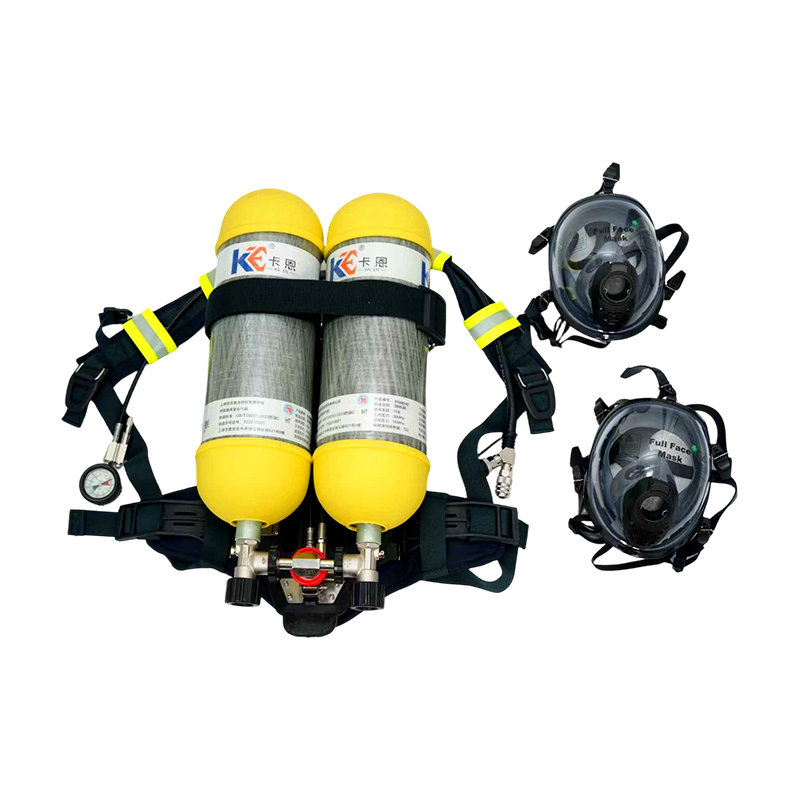
El aparato respiratorio autónomo de presión positiva (SCBA) de fibra de carbono de doble cilindro RHZK-6.8L-2 es un dispositivo de protección respiratoria de alta gama diseñado para rescate de emergen...
Ver detalles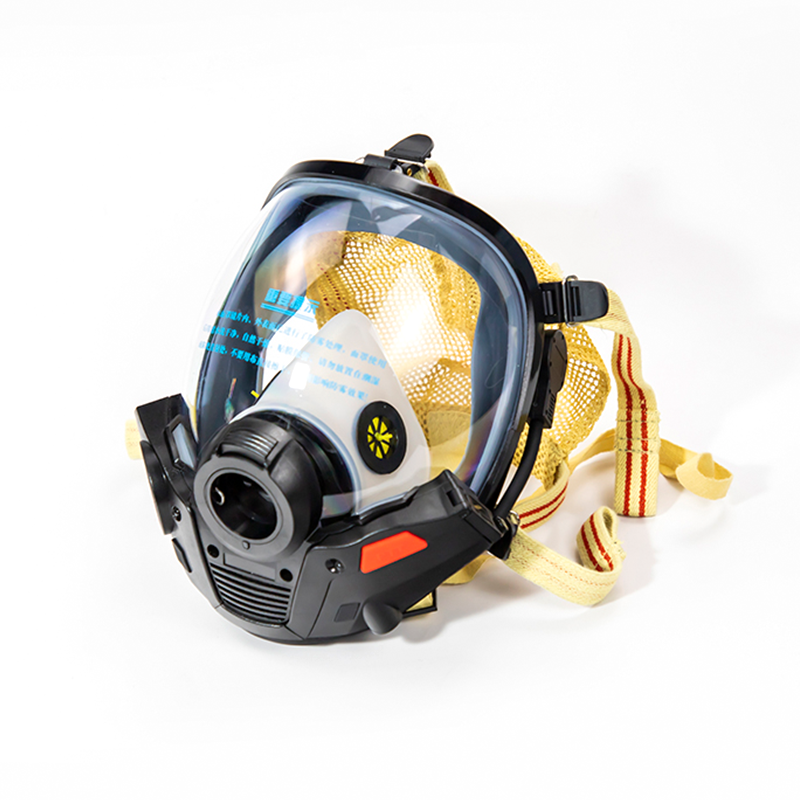
La máscara y los auriculares de comunicación con respirador de aire de extinción de incendios de presión positiva KMQ-T son un equipo especializado que integra funciones de comunicación y protección r...
Ver detalles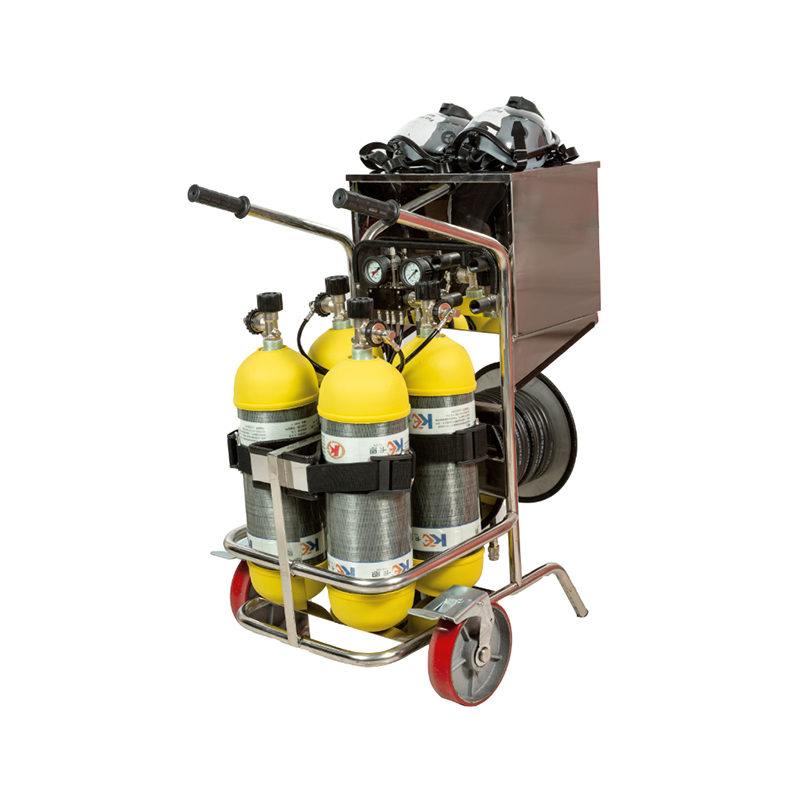
El respirador de aire suministrado de alta presión CGHK4-L es un equipo de protección respiratoria diseñado específicamente para trabajadores en entornos de alto riesgo. Se utiliza ampliamente en indu...
Ver detalles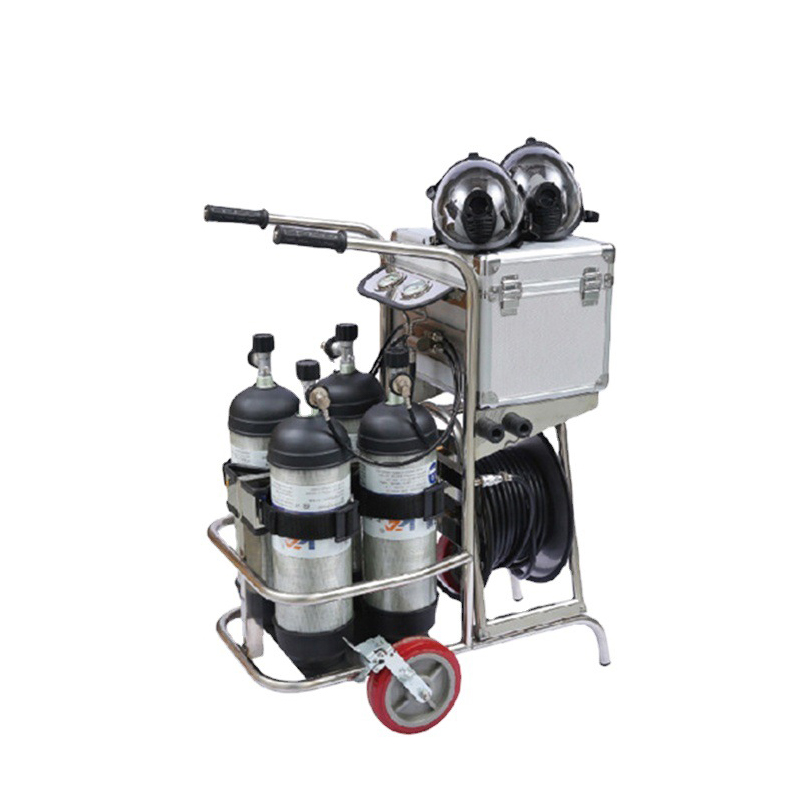
El respirador de tubo largo montado en carro es un sistema de protección respiratoria profesional diseñado para espacios complejos y confinados y entornos de trabajo de larga duración. En comparación ...
Ver detalles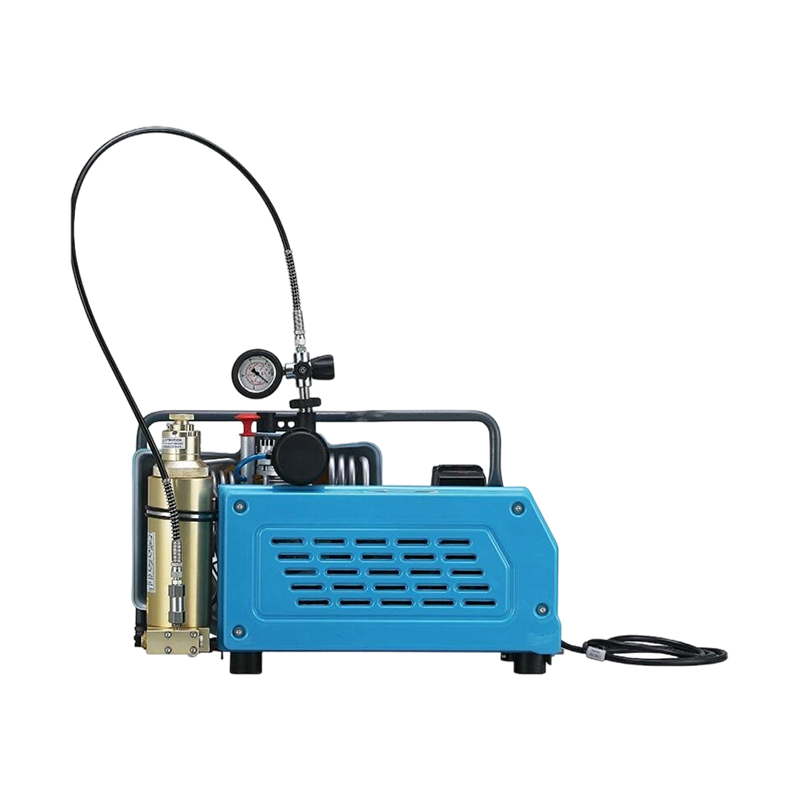
La bomba de llenado de aire (100L 220V) es un dispositivo de fuente de aire especializado que integra funciones de llenado a alta presión y protección de evacuación de emergencia. Con una capacidad de...
Ver detalles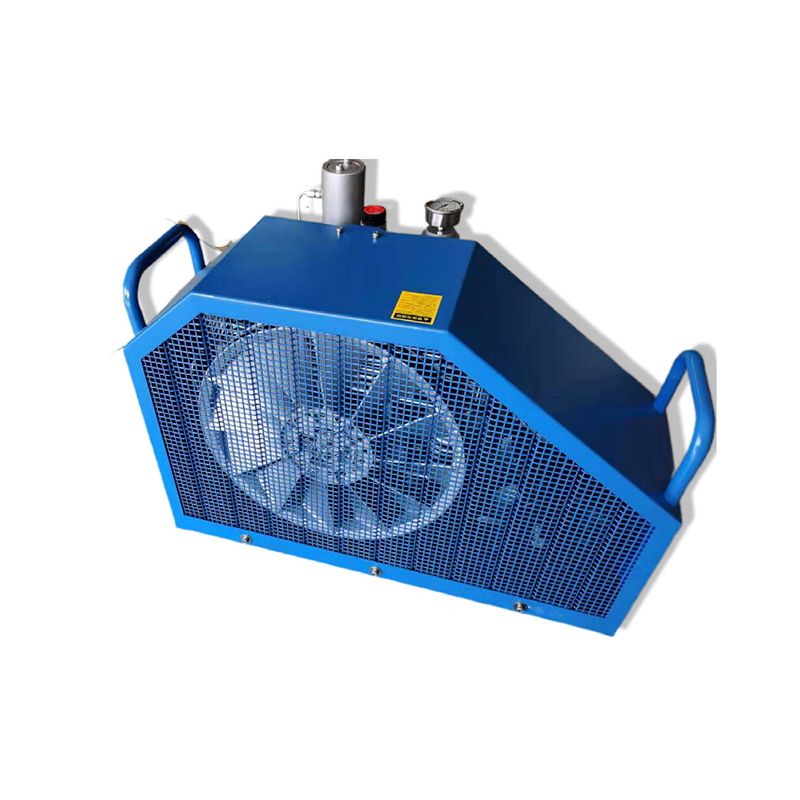
La bomba de llenado de aire respirable de doble botella KAEN-300L es un equipo estandarizado diseñado específicamente para llenar cilindros de gas respirable de alta presión. Adopta una estructura de ...
Ver detalles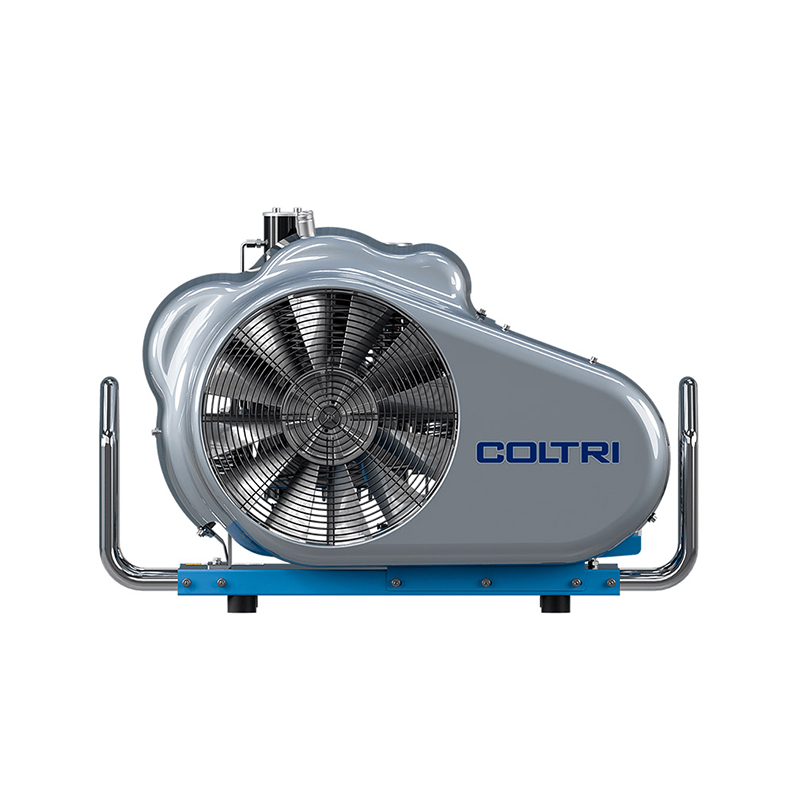
La bomba de llenado de aire MCH-16/ET SMART (doble cilindro manual) es un tipo de equipo de llenado de aire. En comparación con productos similares, está equipado con un compresor de aire de compresió...
Ver detalles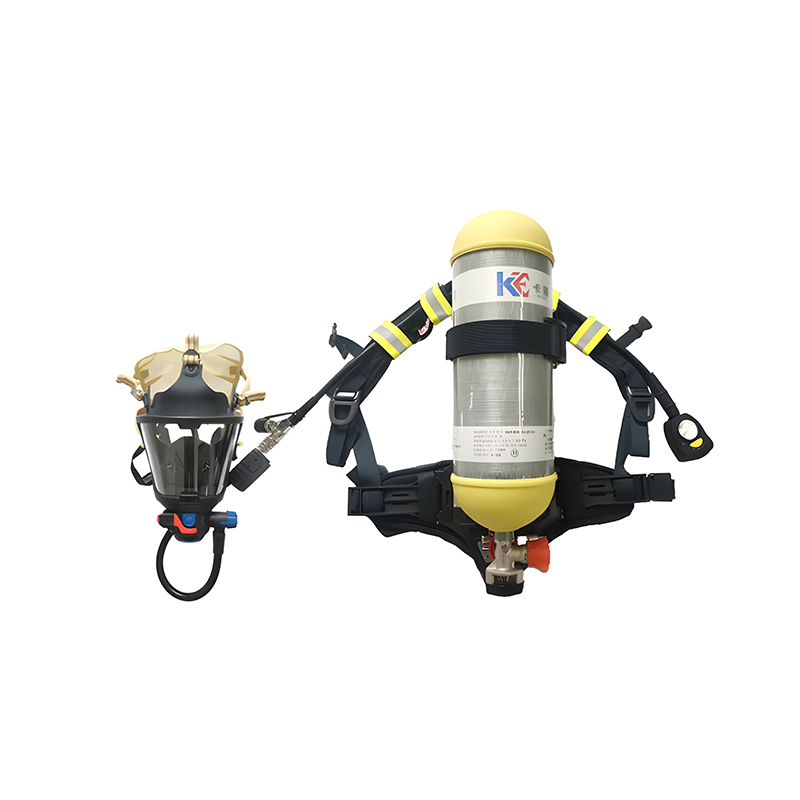
Ventajas: Máscara: La máscara presenta un diseño cilíndrico y está hecha de silicona líquida, lo que proporciona un sellado confiable y un uso cómodo. El protector facial ofrece un amplio campo de ...
Ver detalles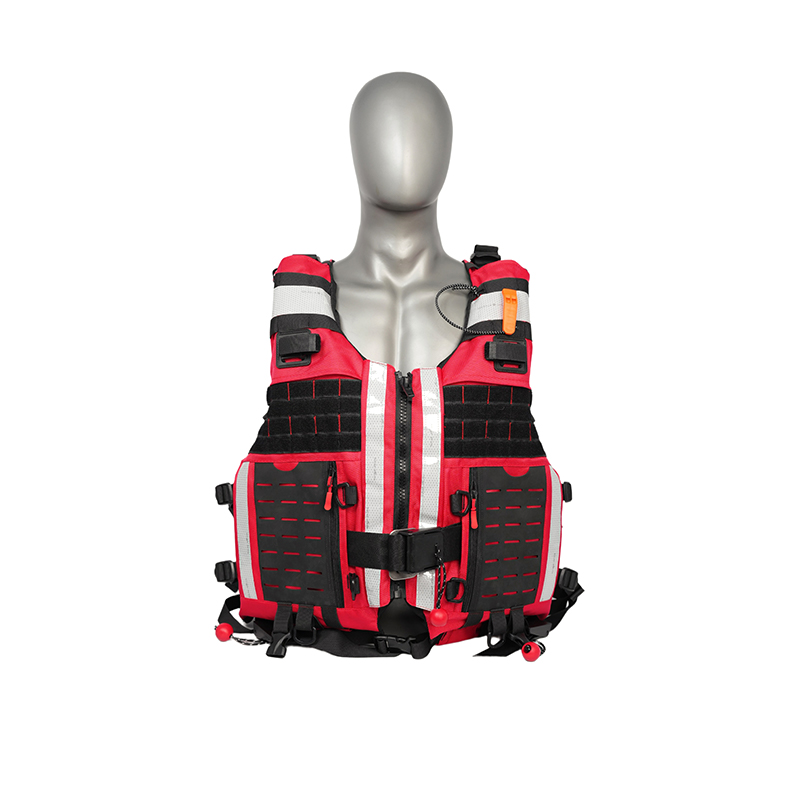
Diseñado para satisfacer las necesidades especializadas de los rescatistas, su exclusivo sistema de liberación rápida permite una salida de emergencia instantánea del chaleco, garantizando la máxima s...
Ver detalles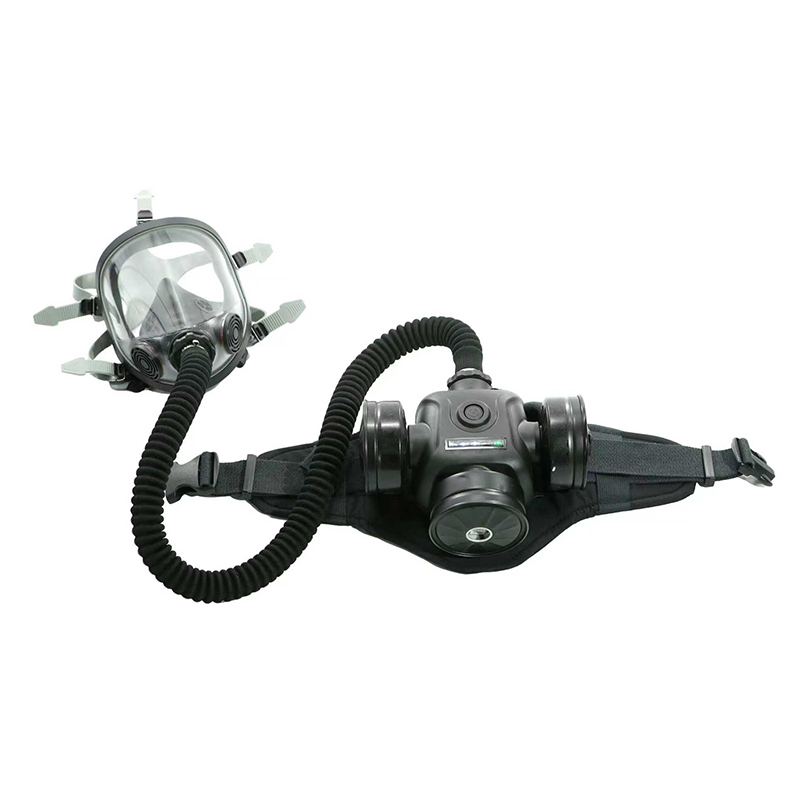
Descripción general Principales usos y ámbito de aplicación Este producto pertenece al equipo de protección respiratoria de operación y escape, utilizado principalmente para prevenir la ...
Ver detalles
Si tiene alguna pregunta o comentario, le responderemos con atención y dedicación.


WhatsApp: 8618262215597
TELÉFONO: +86-15370678666
CORREO ELECTRÓNICO: zhouli@ntkaen.com
TEL: +86-513-88762099
Nantong Kaen Safety Equipment Co., Ltd. Todos los derechos reservados. TODOS RESERVADOS.