English
 Español
 中文简体
中文简体La máscara de gas MF14 está hecha de material de caucho, diferenciándose de productos similares por su resistencia superior y diseño liviano. También cuenta con características fundamentales como res...
Ver detalles
2026-08-25
Contenido
Sí, un ajuste adecuado. Máscara de gas de cara completa es muy eficaz para proteger los ojos, la cara y el sistema respiratorio de gases, vapores y partículas tóxicos, siempre que coincida con el cartucho de filtro correcto y se verifique el sello antes de su uso. El diseño de cara completa cubre un área mucho más grande que un respirador de media cara, lo que significa que también protege los ojos de gases irritantes como el gas lacrimógeno o el amoníaco que de otro modo causarían lesiones inmediatas incluso si se protegiera la respiración. Según el Instituto Nacional de Seguridad y Salud Ocupacional (NIOSH), los respiradores de cara completa equipados con filtros P100 pueden lograr un factor de protección asignado de hasta 50 , lo que significa que la exposición del usuario a contaminantes en el aire se puede reducir a aproximadamente una quinta parte de la concentración ambiental. Sin embargo, la eficacia depende completamente de elegir el cartucho adecuado para el peligro real y de confirmar que el sello se ajuste al rostro del usuario, ya que ningún diseño de máscara puede compensar un filtro incorrecto o un ajuste deficiente.
Una máscara de gas de cara completa funciona forzando todo el aire inhalado a través de un cartucho de filtro antes de que llegue al usuario, mientras que la máscara ancha crea un sello hermético alrededor de toda la cara en lugar de solo la nariz y la boca.
La lente de una sola pieza cubre los ojos y las vías respiratorias, lo cual es fundamental cuando el peligro incluye gases irritantes o corrosivos que dañan los ojos desprotegidos al contacto. Esta es una ventaja clave sobre los respiradores de media cara, que dejan los ojos expuestos y requieren gafas separadas que pueden no formar un sello completo contra la propia máscara.
El cartucho de filtro es donde ocurre la protección real. Dependiendo del cartucho instalado, una máscara facial completa puede filtrar partículas, vapores orgánicos, gases ácidos, amoníaco o una combinación de estos, pero solo dentro de los límites de concentración y vida útil especificados por el fabricante del cartucho.
El factor de protección asignado (APF) es la forma estándar de medir cuánto reduce un respirador la exposición del usuario en comparación con el aire circundante. OSHA publica estos factores en 29 CFR 1910.134 para ayudar a los empleadores a seleccionar equipos que coincidan con el nivel de peligro.
| Tipo de respirador | Factor de protección asignado | Significado |
| Respirador purificador de aire de media cara | 10 | Exposición reducida a una décima parte de la concentración ambiental. |
| Respirador purificador de aire de cara completa | 50 | Exposición reducida a una quincuagésima parte de la concentración ambiental. |
| Respirador purificador de aire motorizado (PAPR) de cara completa | 1000 | Exposición reducida a una milésima parte de la concentración ambiental. |
| Respirador de cara completa con suministro de aire (demanda de presión) | 1000 a 10000 | La exposición se redujo sustancialmente, dependiendo del modo de operación. |
Estas cifras dejan claro por qué El diseño de cara completa ofrece aproximadamente cinco veces el factor de protección. de un respirador de media cara equivalente en condiciones estándar de purificación de aire, simplemente debido al área de sellado mejorada y la eliminación de la exposición ocular separada.
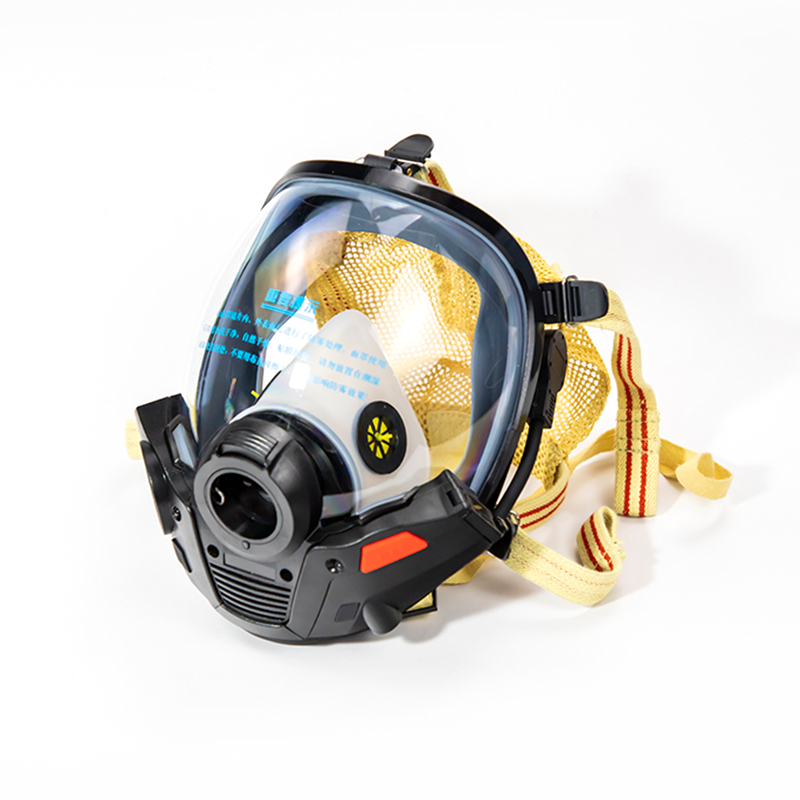
Una máscara antigás que cubre toda la cara es tan efectiva como el cartucho instalado en ella. Seleccionar el tipo de cartucho incorrecto es uno de los errores más comunes y peligrosos que se cometen en el campo.
Nuestro Máscara de gas de cara completa La gama está diseñada para aceptar una variedad de cartuchos intercambiables, lo que permite a los usuarios hacer coincidir el tipo de filtro exacto con el peligro identificado en su evaluación de riesgos en el lugar de trabajo en lugar de depender de un único filtro de uso general para cada situación.
Ninguna máscara antigás que cubra todo el rostro, independientemente de la calidad de construcción, protege contra todos los peligros. Comprender estas limitaciones es esencial para evitar una falsa sensación de seguridad.
| Limitación | Por qué es importante |
| Sin protección en atmósferas deficientes en oxígeno | Las mascarillas purificadoras de aire filtran los contaminantes pero no suministran oxígeno, por lo que no pueden usarse con menos del 19,5 por ciento de oxígeno. |
| Los cartuchos tienen una vida útil limitada. | El uso continuo después de la saturación permite que los contaminantes pasen sin tratar. |
| El vello facial rompe el sello | Incluso una ligera barba a lo largo de la línea de sellado puede permitir que el aire sin filtrar pase por alto la mascarilla por completo. |
| Los cartuchos son específicos para cada peligro | Un cartucho clasificado para vapores orgánicos no detendrá el monóxido de carbono u otros gases fuera de su clasificación. |
No se puede suponer que una máscara antigás de cara completa que no haya sido sometida a pruebas de ajuste en un usuario individual proporcione su factor de protección nominal. Los estudios de NIOSH sobre el ajuste de los respiradores han encontrado consistentemente que la estructura facial varía lo suficiente entre individuos como para que una máscara que sella bien en una persona pueda tener fugas significativas en otra.
Una máscara antigás que cubre todo el rostro se degrada gradualmente con el uso, las condiciones de almacenamiento y la exposición a productos químicos, por lo que es necesaria una rutina de mantenimiento constante para mantener intacto su factor de protección.
Las máscaras antigás que cubren toda la cara son equipos estándar en todas las industrias donde se necesita protección respiratoria y ocular simultáneamente. La Organización Mundial de la Salud ha señalado que la respuesta a derrames químicos y accidentes industriales con frecuencia requiere este nivel combinado de protección, ya que los gases irritantes amenazan tanto los ojos como los pulmones.
En todas estas aplicaciones, una Máscara de gas de cara completa ofrece protección confiable solo cuando se combina con el cartucho correcto, un ajuste verificado y una rutina de mantenimiento consistente, que en conjunto son lo que convierte una máscara bien diseñada en una protección efectiva en el mundo real.
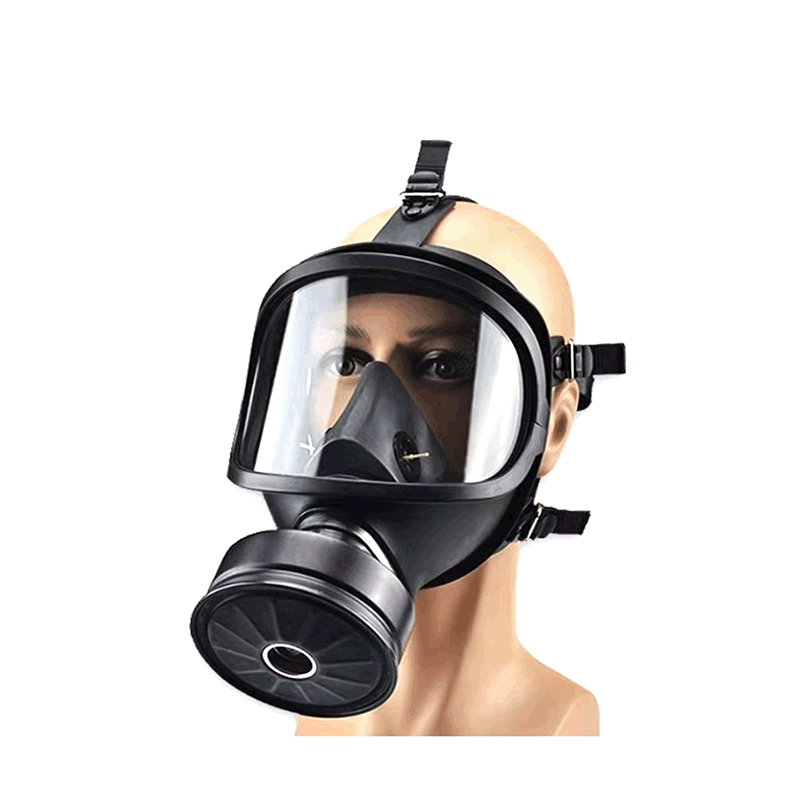
La máscara de gas MF14 está hecha de material de caucho, diferenciándose de productos similares por su resistencia superior y diseño liviano. También cuenta con características fundamentales como res...
Ver detalles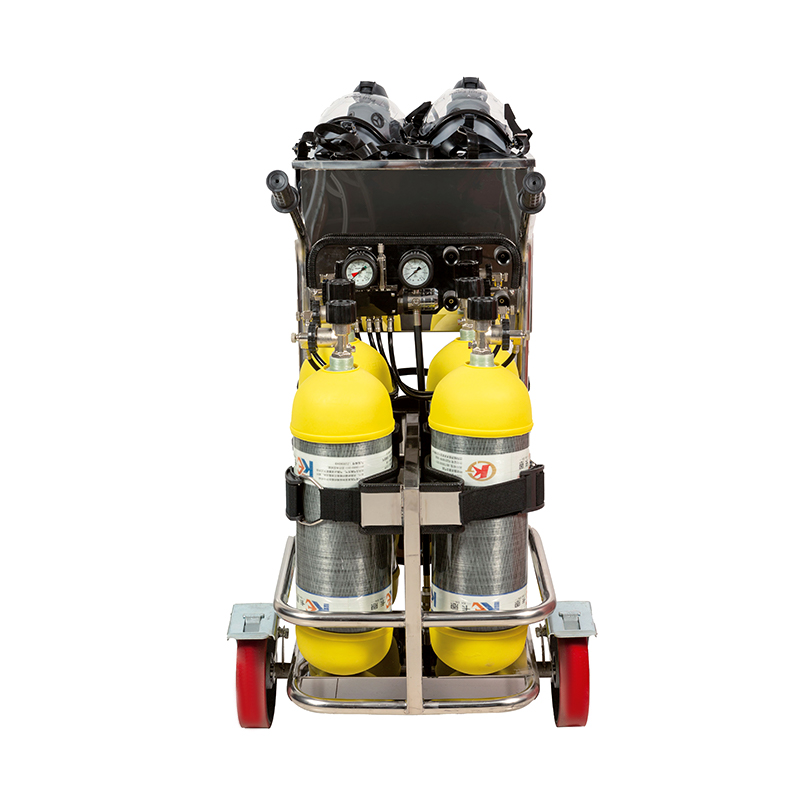
El respirador móvil de tubo largo CGHK4-L es un sistema de suministro de aire móvil que se utiliza principalmente en entornos con deficiencia de oxígeno o con gases tóxicos/peligrosos. Este dispositiv...
Ver detalles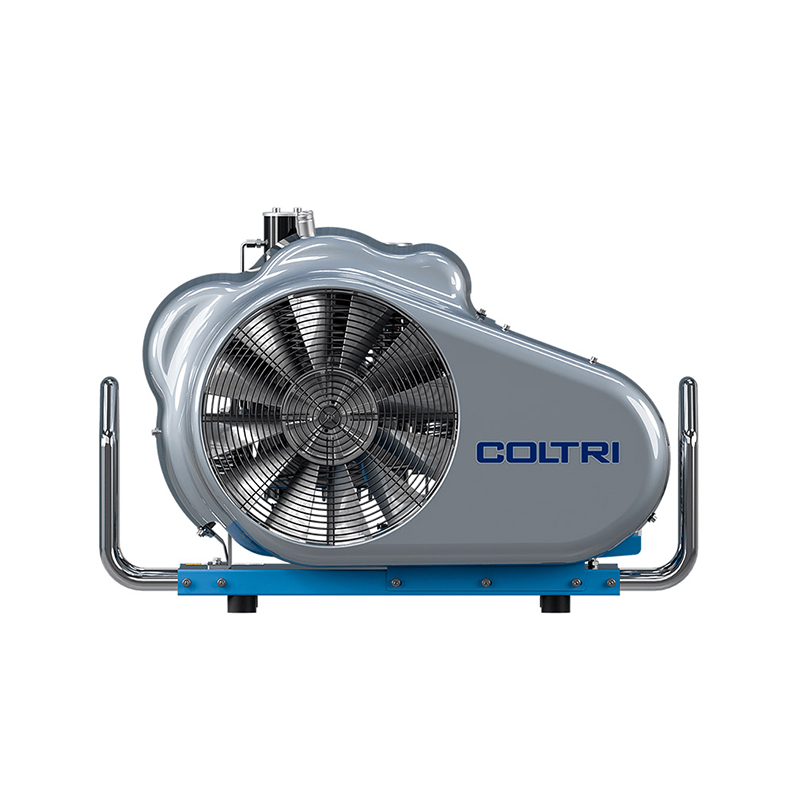
La bomba de llenado de aire MCH-16/ET SMART (doble cilindro manual) es un tipo de equipo de llenado de aire. En comparación con productos similares, está equipado con un compresor de aire de compresió...
Ver detalles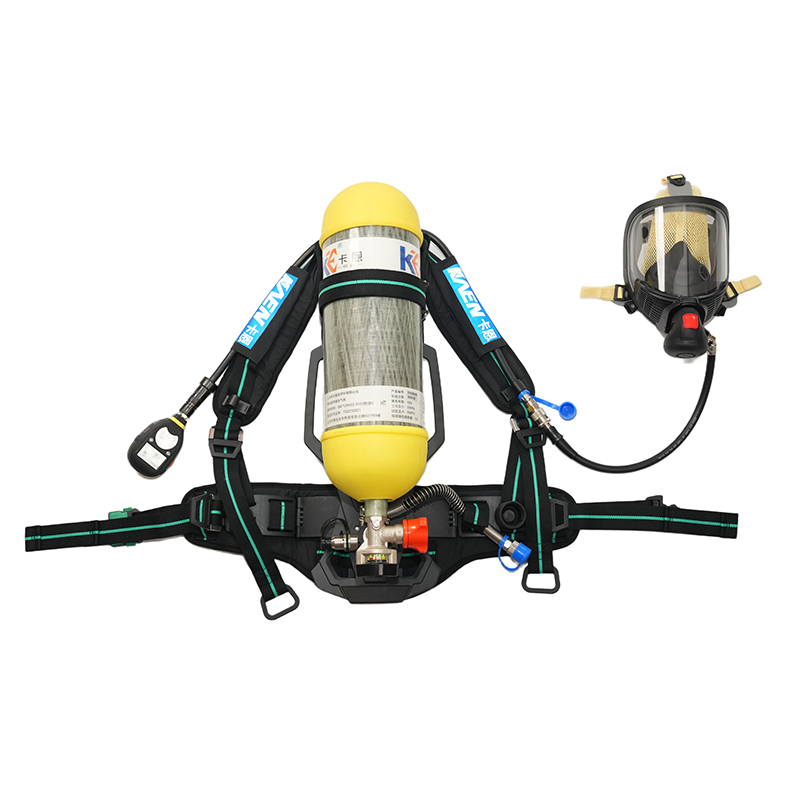
1.Presión de trabajo del cilindro: 30 MPa La capa interior del cilindro está envuelta con marcas circulares. La válvula de cilindro está equipada con un Manómetro de presión de doble cara incorporado,...
Ver detalles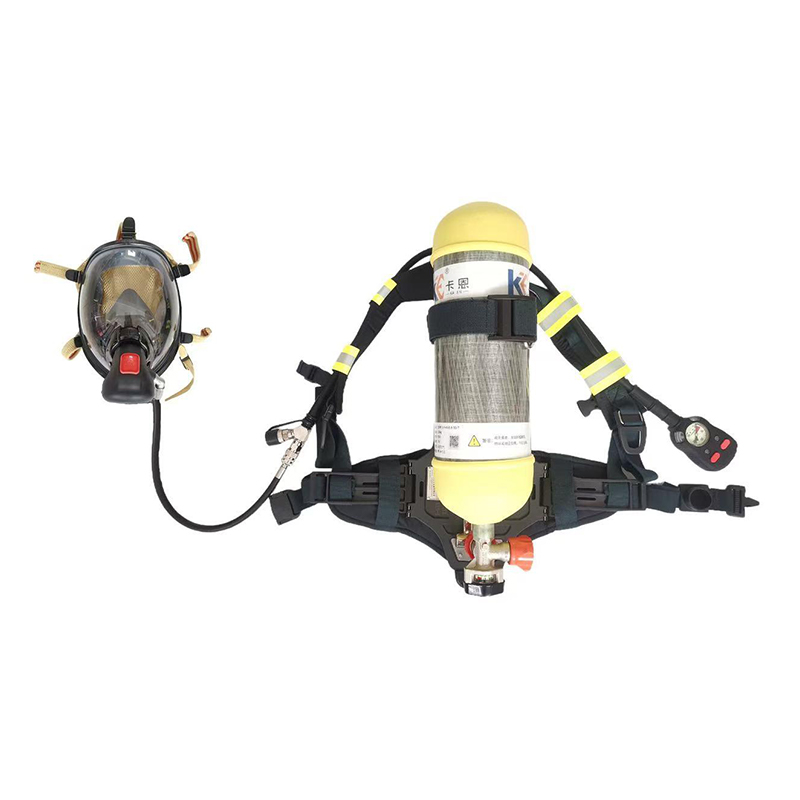
El aparato de respiración de aire comprimido RHZK6.8/F es un dispositivo portátil de respiración de aire de presión positiva que utiliza un cilindro de alta presión de 6,8 L para almacenar aire compri...
Ver detalles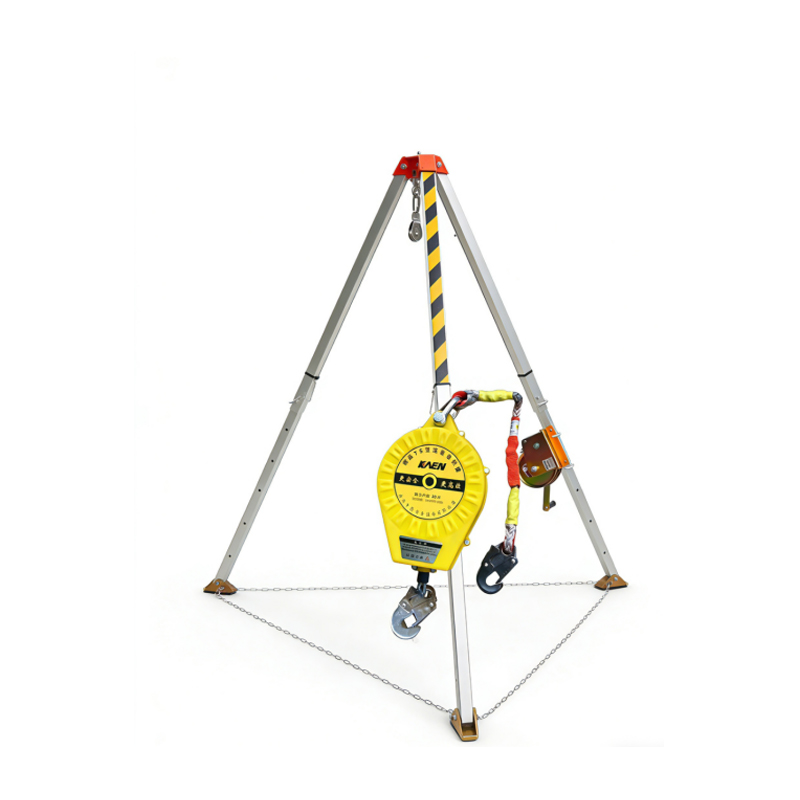
Trípode de rescate – Características y especificaciones El trípode de rescate está construido con una aleación liviana y de alta resistencia con patas telescópicas y cuenta con mecanismos de autobloqu...
Ver detalles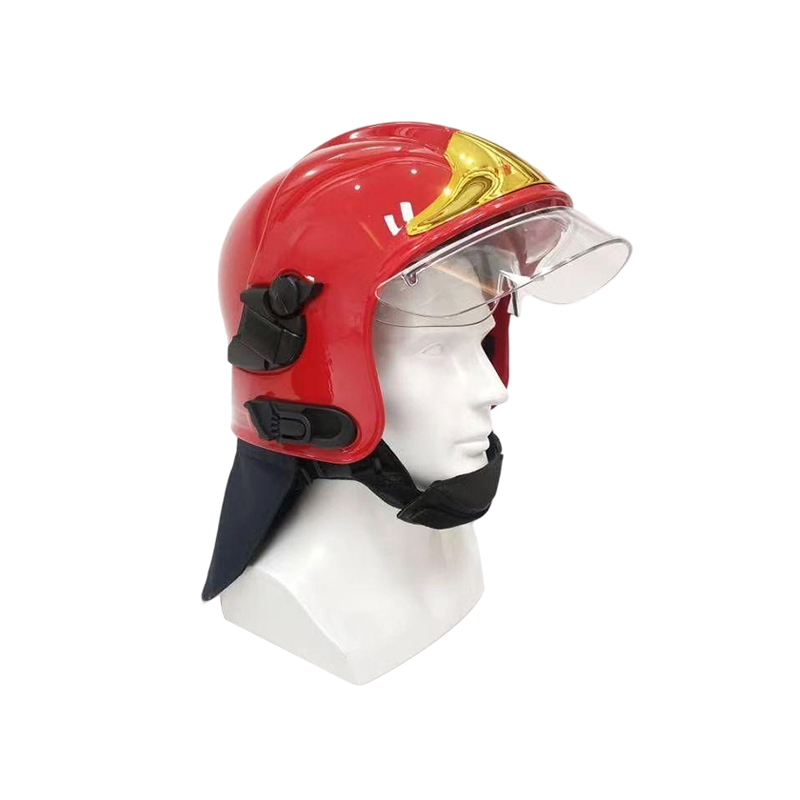
Los cascos contra incendios europeos suelen estar fabricados con termoplásticos avanzados o materiales compuestos. Estos materiales proporcionan una excelente resistencia al calor manteniendo un peso ...
Ver detalles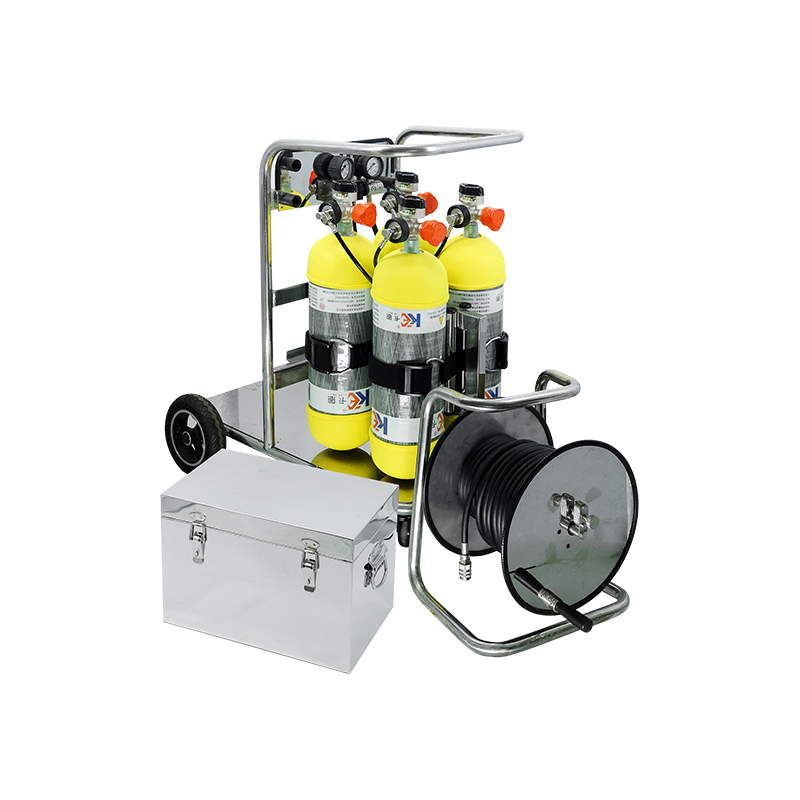
Piezas de respirador de tubo largo para automóvil y distribuidor del tubo largo del rodillo guía de aire, caja de herramientas, fuente de gas, reductor de presión, manómetro, en el manómetro, alarmas ...
Ver detalles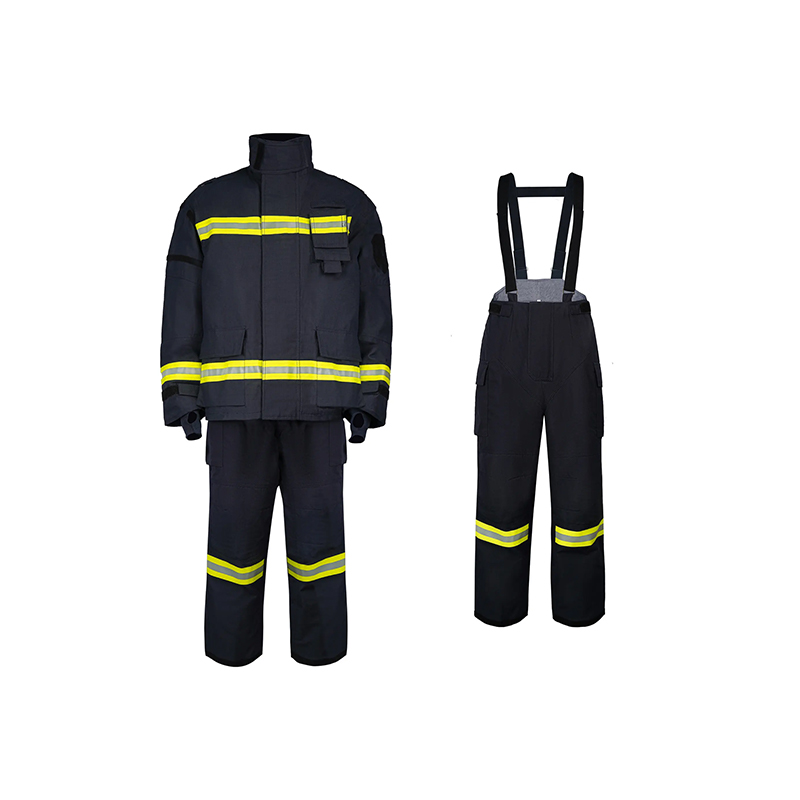
La ropa protectora contra incendios es un equipo de protección personal especializado que usan los bomberos durante las operaciones de extinción de incendios y rescate. Cuenta con un diseño multicapa ...
Ver detalles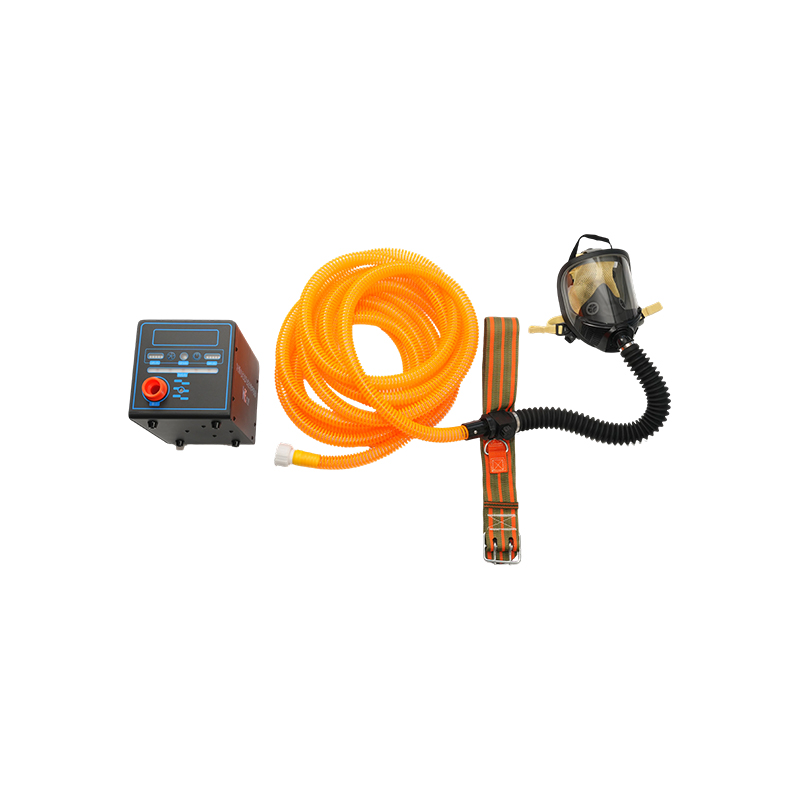
Descripción general del productoEste respirador de manguera larga con suministro de aire motorizado está diseñado para la protección respiratoria ocupacional, filtrando eficazmente gases nocivos, pol...
Ver detalles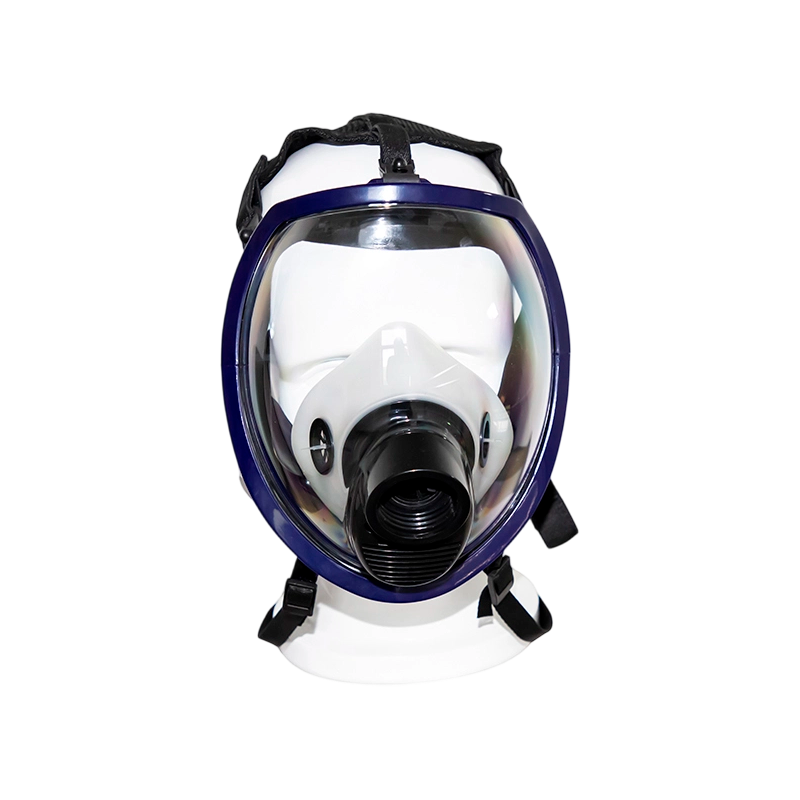
Cumpla con todos los requisitos de rendimiento especificados en GB 2890-2022 Protección respiratoria: máscaras de gas tipo filtro autocebante. Proporcionar informes de prueba completos y válidos emiti...
Ver detalles
Si tiene alguna pregunta o comentario, le responderemos con atención y dedicación.


WhatsApp: 8618262215597
TELÉFONO: +86-15370678666
CORREO ELECTRÓNICO: zhouli@ntkaen.com
TEL: +86-513-88762099
Nantong Kaen Safety Equipment Co., Ltd. Todos los derechos reservados. TODOS RESERVADOS.